Apple’s product pipeline has never been clearer—or more ambitious. With credible leaks, supply chain confirmations, and strategic patent filings aligning, Apple’s ultra roadmap is now in focus: a synchronized evolution of iPhone, MacBook, and ecosystem-integrated devices is underway. This isn’t just about annual updates. It’s a coordinated leap in performance, AI integration, and design philosophy across the entire lineup.
The implications are major for developers, enterprises, and everyday users. Apple isn’t just iterating—it’s recalibrating how its devices work together, driven by silicon superiority and a silent push toward on-device intelligence. Let’s break down what’s confirmed, what’s in motion, and how it reshapes the user experience.
The Core of the Roadmap: Silicon Drives Everything
At the heart of Apple’s ultra roadmap is silicon—not just as a component, but as a strategic lever. The M4 chip, already in development and expected to launch with the next iPad Pro, signals what’s coming for the broader lineup. This isn’t incremental. M4 introduces next-gen neural engines capable of 35+ TOPS (trillion operations per second), enabling real-time AI processing without cloud dependency.
This shift means MacBook Air and MacBook Pro models launching within the next 12 months will handle complex tasks like local large language model inference, video rendering at 8K with minimal latency, and advanced photo editing—all without throttling or external cooling.
For iPhone, the A18 Pro is the counterpart. Built on TSMC’s 3nm enhanced node (N3E), it delivers higher efficiency and unlocks sustained performance for AR applications, immersive gaming, and on-device generative AI features in iOS 18.
Real-World Impact: A photographer editing RAW files on a MacBook Air with M4 won’t need a fan. An iPhone user generating AI-powered image edits in Photos will see results in under two seconds—no upload required. This is performance democratization.
iPhone 16 Series: More Than Just Cameras
The iPhone 16 lineup isn’t just about “another notch update.” Multiple sources, including supply chain reports from Taiwan and Korea, confirm structural changes:
- Action Button Expansion: The Pro models will standardize the customizable Action Button, possibly enabling hardware-level shortcuts for AI features (e.g., long-press to activate Live Captions or translate speech).
- Camera System Redesign: Vertical alignment returns for the main sensors on Pro models, accommodating a larger 48MP ultrawide with autofocus—finally making it useful in low light.
- Thermal Improvements: New graphite-based cooling layers allow sustained performance during gaming and video capture.
- A18 Chip with Dedicated AI NPU: Rumors suggest a separate neural processing unit within the SoC, isolating AI workloads for efficiency.
One overlooked detail: the iPhone 16 Pro Max will likely introduce a capacitive touch function strip above the display, replacing physical buttons for volume and power. This isn’t just futuristic—it enables dynamic controls (e.g., slide to zoom, swipe for flash intensity).
Common Mistake: Early adopters may skip the base iPhone 16, assuming it lacks AI features. But Apple is expected to bring core on-device AI—like Smart Reply and photo cleanup—to all A18 models. The Pro variants simply go further.
MacBook Evolution: M4, Thinner Designs, and AI-First Workflows
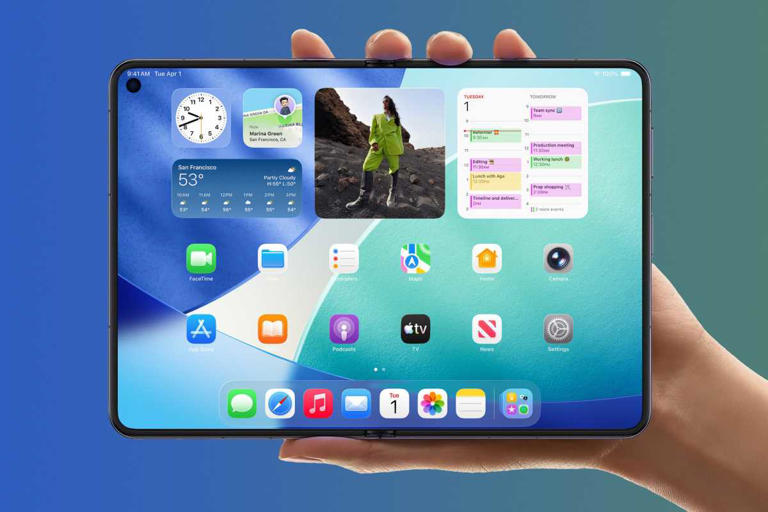
MacBook updates are on a faster cadence than ever. Apple’s shift to in-house silicon wasn’t just about performance—it was about control. Now, that control is being used to push AI-native workflows into the core of macOS.
Confirmed Developments:
- M4 Across All New Macs: From MacBook Air to Mac Studio, M4 is the new standard. The M4 Max and M4 Ultra (for Mac Pro) will launch later in the cycle.
- Thinner Bezels, Larger Screens: The 14-inch and 16-inch MacBook Pro models are getting reduced bezels, allowing larger displays without increasing footprint.
- MagSafe Returns to MacBook Air: Rumored for 2024, this improves charging safety and frees up a USB-C port.
- AI Acceleration in macOS Sequoia: System-wide features like AI-summarized notifications, auto-generated email drafts, and real-time transcription in FaceTime are being baked into the OS.
Workflow Tip: Developers should optimize apps for on-device AI APIs now. Apple’s Create ML and Vision frameworks will gain new tools for local model training. Apps that rely on cloud AI (e.g., transcription services) may see user preference shift toward native alternatives.
One limitation: M4 Macs won’t support expandable RAM. What you buy is what you get. Users planning long-term use (5+ years) should prioritize configurations with at least 16GB RAM, especially for AI workloads.
iPad and Vision Pro: The Silent Strategists
While iPhone and MacBook dominate headlines, iPad and Vision Pro are critical to Apple’s roadmap.
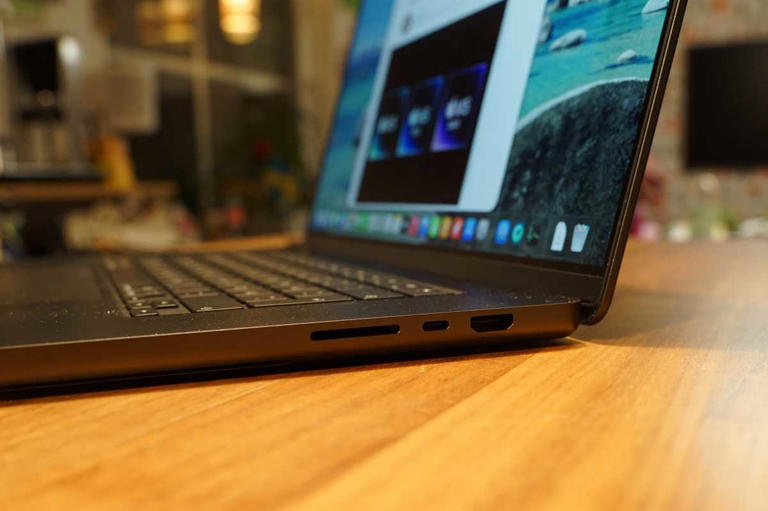
The iPad Air and iPad Pro are both getting M4 chips. The Pro model will support dual external displays—a first—making it viable for hybrid work setups. Combined with enhanced Apple Pencil hover detection and pressure sensitivity, this positions iPad as a true laptop alternative for creatives.
Meanwhile, Vision Pro is seeing quiet but significant updates. A lighter, cheaper "Vision Pro Lite" is expected in 2025 with M4R (a variant optimized for AR/VR). It will support longer standalone use, improved hand tracking, and spatial video capture via iPhone 16.
This isn’t niche anymore. Apple is building a parallel ecosystem where Vision Pro and iPad serve as secondary or primary devices, all unified by Continuity and iCloud.
Ecosystem Integration: The Real Competitive Edge
Apple’s ultra roadmap isn’t about standalone devices. It’s about interoperability by design.
Consider this real-world use case: - You start a meeting note on iPhone using AI-powered voice-to-text. - Handoff sends it to your M4 MacBook, where the AI suggests action items. - Later, you view a spatial 3D chart of those tasks in Vision Pro. - The data syncs across all devices—no export, no login, no third-party app.
This seamless chain is powered by: - Unified sign-in with Apple ID - Continuity Camera and Handoff - iCloud Drive with end-to-end encryption - On-device AI that learns across devices
Competitors offer pieces of this puzzle. Apple is the only one shipping the full stack.
Limitation Alert: If you’re outside Apple’s ecosystem, jumping in now means cost and lock-in. A full setup (iPhone 16 Pro, M4 MacBook Pro, Vision Pro) exceeds $6,000. This roadmap favors existing users upgrading in sync.
What’s Coming Next: The 12-Month Rollout
Here’s a realistic timeline based on supplier confirmations and historical patterns:
| Device | Expected Launch | Key Features |
|---|---|---|
| iPad Pro (M4) | Q2 2024 | M4 chip, OLED display, dual external display support |
| MacBook Air (M4) | Q3 2024 | Thinner design, MagSafe return, 15-inch option |
| iPhone 16 Series | Q3 2024 | A18 chip, AI NPU, camera upgrades, touch control strip |
| MacBook Pro (M4) | Q4 2024 | Mini-LED with higher brightness, improved thermal design |
| Vision Pro Lite | 2025 | M4R chip, lighter frame, standalone AR apps |
Apple’s cadence has shifted. It’s no longer “one big event.” Updates are staggered, maximizing media coverage and supply chain efficiency.
Design Language: Unified, Minimal, Functional
A subtle but important thread across the roadmap is design consistency.
- All devices are adopting flat edges and titanium or aluminum unibody frames.
- Display bezels are shrinking, but not at the cost of durability.
- Buttons are being phased out in favor of haptics and touch-sensitive zones.
This isn’t just aesthetics. It reduces manufacturing complexity and improves water resistance. It also strengthens brand identity—your devices look like they belong together.
Pro Insight: Apple is likely using recycled titanium and magnesium alloys more extensively. This supports sustainability goals while reducing weight—critical for Vision Pro and future wearables.
The Bigger Picture: AI, Privacy, and Control
Apple’s ultra roadmap reflects a deeper strategy: privacy-forward AI.
While Google and Microsoft push cloud-based AI, Apple is betting users will prefer on-device processing—where data never leaves the device. This isn’t just marketing. It’s a technical reality enabled by M4 and A18.
For example: - Ask Siri to “summarize my unread emails”—it happens locally. - Use AI to remove photobombers from a group photo—no upload. - Generate a custom workout in Fitness+ based on your health data—processed on the Watch.
This model builds trust. But it demands powerful hardware. That’s why the roadmap prioritizes silicon upgrades across every device class.
Closing: Upgrade Strategically, Not Automatically
Apple’s confirmed roadmap is impressive—but not every update matters to every user.
- iPhone users on iPhone 14 or earlier will see a dramatic leap with iPhone 16.
- MacBook owners with M1 or M2 models may not need to upgrade unless they rely on AI or pro workflows.
- Developers should focus on optimizing for on-device AI and cross-device Continuity.
The future is integrated, intelligent, and in your hands. Apple isn’t just releasing new products. It’s reshaping how we interact with technology—quietly, deliberately, and at scale.
Plan your next move based on workflow needs, not hype. The best Apple device is the one that works seamlessly with what you already use.
Frequently Asked Questions
Will the iPhone 16 have a touch control strip? Yes, the Pro models are expected to feature a capacitive touch strip above the display for camera and volume controls.
Is the M4 chip coming to all new Macs? Yes, all upcoming Mac models—MacBook Air, MacBook Pro, iMac, and Mac Studio—will use the M4 chip or its variants.
Can the new iPad Pro replace a laptop? With M4, dual external display support, and advanced Apple Pencil features, it can for many creative and office tasks.
Will Vision Pro get a cheaper model? A more affordable "Vision Pro Lite" with M4R chip is expected in 2025.
Are physical buttons disappearing on Apple devices? They’re being replaced selectively—iPhone may get a touch strip, and MagSafe buttons on Watch already use haptics.
Does on-device AI mean no internet needed? Core AI features will work offline, but cloud sync and updates still require connectivity.
Should I upgrade my M1 MacBook now? Only if you need AI processing or future macOS features. M1 Macs will remain supported for years.
FAQ
What should you look for in Apple’s Ultra Roadmap Confirmed: iPhone, MacBook and More Revealed? Focus on relevance, practical value, and how well the solution matches real user intent.
Is Apple’s Ultra Roadmap Confirmed: iPhone, MacBook and More Revealed suitable for beginners? That depends on the workflow, but a clear step-by-step approach usually makes it easier to start.
How do you compare options around Apple’s Ultra Roadmap Confirmed: iPhone, MacBook and More Revealed? Compare features, trust signals, limitations, pricing, and ease of implementation.
What mistakes should you avoid? Avoid generic choices, weak validation, and decisions based only on marketing claims.
What is the next best step? Shortlist the most relevant options, validate them quickly, and refine from real-world results.