Safety doesn’t happen by accident—neither does effective communication on high-risk job sites. One of the most practical tools teams use to prevent incidents is the toolbox talk: short, focused safety meetings that address specific hazards, procedures, or behaviors. While the format is simple, the impact depends on relevance, clarity, and real-world application.
Too often, toolbox talks become routine checkboxes—read from a generic script, delivered without engagement, and forgotten by lunch. But when grounded in actual examples of a toolbox talk, these sessions transform into powerful moments of learning, reinforcement, and cultural alignment.
This article breaks down realistic, actionable examples of a toolbox talk, showing how to structure them for maximum retention and safety impact across different work environments.
What Is a Toolbox Talk (And Why
It’s More Than a Safety Chat)
A toolbox talk is a brief safety meeting—typically 10 to 15 minutes—held at the start of a shift, before a new task, or after a near-miss. It's designed to spotlight one specific hazard, procedure, or safety concern. Unlike lengthy safety trainings, toolbox talks are situational, immediate, and participatory.
The word “tool” isn’t accidental. These talks are tools themselves—meant to equip workers with knowledge they can apply today. Their strength lies in their specificity. A talk about “working at height” is okay. A talk about “securing ladders on uneven ground during roof repairs” is better.
When done right, examples of a toolbox talk do more than inform—they prompt questions, surface hidden risks, and reinforce a culture where safety is everyone’s responsibility.
Common Mistakes That Undermine Toolbox Talks
Even with good intentions, many teams weaken the effectiveness of their safety briefings. Recognizing these pitfalls is the first step to fixing them:
- Reading from a script without context: Delivering a pre-written talk that doesn’t reflect the day’s actual work.
- One-way delivery: Talking at the crew instead of inviting input or experience sharing.
- Overloading the topic: Covering fall protection, PPE, and equipment checks in one 10-minute session.
- Inconsistent timing: Skipping talks during busy periods or rotating them haphazardly.
- No follow-up: Failing to document the talk, track attendance, or verify understanding.
The best examples of a toolbox talk avoid these traps by staying focused, conversational, and connected to real work.
Real-World Examples of a Toolbox Talk
Below are five practical examples of a toolbox talk, each tailored to a common job site scenario. Use these as templates—but adapt them to your team, location, and current tasks.
#### 1. Working at Height: Proper Use of Fall Protection
Scenario: Crew is installing HVAC units on a third-floor rooftop.
Key Points: - All personnel must wear a full-body harness connected to an anchor point. - Lanyards must be inspected before use—check for fraying, burns, or damaged snaps. - No sitting or leaning on guardrails—even if they look sturdy. - Tool tethers are required. A dropped wrench can be lethal.
Discussion Prompt: “Has anyone here seen a near-miss with fall protection? What did we learn from it?”
Takeaway: “If your harness isn’t on and anchored before you step onto that roof, you don’t belong up there.”

#### 2. Hot Work Safety: Welding in a Confined Space
Scenario: Welding pipe supports in a mechanical room with limited ventilation.
Key Points: - Fire watch required for at least 30 minutes post-welding. - Confirm flammable materials are removed or shielded. - Use ventilation fans or an air-supplied respirator if needed. - Permit must be visible and signed.
Discussion Prompt: “What could go wrong if ventilation fails during welding? How would we respond?”
Takeaway: “No hot work without a permit, a fire extinguisher on hand, and a clear exit route.”
#### 3. Slips, Trips, and Falls: Housekeeping on a Busy Floor
Scenario: Concrete pour just completed; rebar, hoses, and tools are scattered.
Key Points: - Clean as you go—don’t leave materials in walkways. - Mark wet areas with cones or signs. - Use brooms or blowers to clear debris, not feet. - Report damaged or coiled cords that create trip hazards.
Discussion Prompt: “What’s one thing you’ve tripped over on the job? How could it have been prevented?”
Takeaway: “A clean site isn’t just tidy—it’s a safe site. Ten seconds to move a hose can save a hospital visit.”
#### 4. Electrical Safety: Using Extension Cords Outdoors
Scenario: Powering tools from a temporary outdoor panel.
Key Points: - Only use cords rated for outdoor use (look for “W” rating). - Never run cords through puddles or under mats. - GFCI protection is mandatory—test it before plugging in. - Coil cords loosely to prevent overheating.
Discussion Prompt: “Have you ever seen a frayed outdoor cord still in use? What happened?”
Takeaway: “Water and electricity don’t negotiate. If the cord isn’t rated for wet conditions, it doesn’t leave the trailer.”
#### 5. Lifting and Manual Handling: Preventing Back Injuries
Scenario: Moving heavy drywall sheets on a renovation project.
Key Points: - Use mechanical aids (dollies, lifts) when possible. - Lift with legs, not back—keep the load close. - Two-person carry for sheets over 4x8. - Communicate before moving—“I’m lifting on three.”
Discussion Prompt: “What’s one job where we skip using equipment to save time—but risk injury?”
Takeaway: “Your back doesn’t heal like a cut. One bad lift can end a career.”
How to Adapt
These Examples to Your Site
These examples of a toolbox talk are starting points—not scripts to repeat verbatim. To make them stick:
- Localize the content: Mention specific equipment, locations, or past incidents on your site.
- Involve the crew: Ask for input. Let a worker lead a talk occasionally.
- Use visuals: Bring a damaged harness, a worn glove, or a photo of a hazard.
- Schedule consistently: Weekly or per task change—not just after incidents.
- Document and track: Keep a log with date, topic, facilitator, and attendees.
A toolbox talk isn’t effective because it happened—it’s effective because it changed behavior.
Industries That Benefit from Toolbox Talks (And How They Differ)
While construction is the most common setting, toolbox talks are vital in other high-risk environments. The core format stays the same, but focus areas shift.

| Industry | Common Topics | Unique Needs |
|---|---|---|
| Construction | Fall protection, PPE, equipment safety | High turnover, diverse subcontractors |
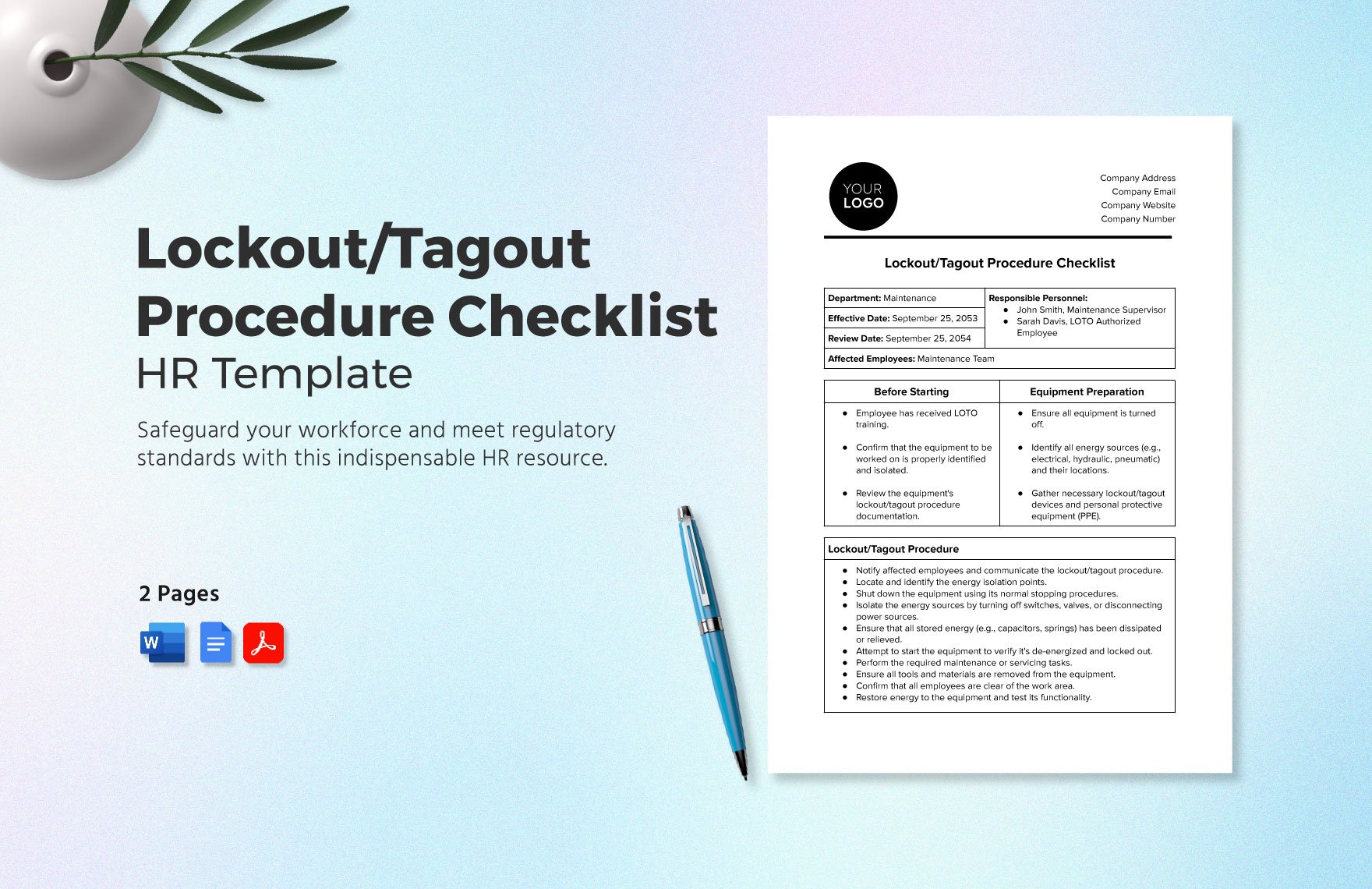
| Manufacturing | Machine guarding, lockout/tagout | Repetitive tasks, shift work |
| Utilities | Confined space entry, live electrical work | Remote teams, emergency response |
| Mining | Ground stability, ventilation | Isolated locations, extreme conditions |
| Facilities Maintenance | Chemical handling, ladder safety | Limited staff, multi-role workers |
The best examples of a toolbox talk recognize these differences. A mining crew might start with a gas detector check. A maintenance team might review SDS sheets before servicing a boiler.
Making Toolbox Talks Engaging (Not Just Compliance Box-Ticking)
The difference between a forgettable talk and a memorable one is engagement. Try these tactics:
- Tell a story: “Last month, a worker in Texas lost his glove to a conveyor belt. He wasn’t wearing cut-resistant gear. That could’ve been an arm.”
- Use props: Bring a cracked hard hat or a fused breaker to show real consequences.
- Do a quick demo: Show how to properly don a respirator or inspect a harness.
- End with a challenge: “Today, I want each of you to point out one hazard before you clock out.”
When people feel the risk, they remember the rule.
Digital Tools to Support Toolbox Talk Delivery
Gone are the days of paper checklists and lost sign-in sheets. Digital platforms help standardize, track, and improve toolbox talks. Here are five reliable options:
| Tool | Strengths | Best For |
|---|---|---|
| SiteDocs | Custom templates, offline access, real-time reporting | Large construction firms |
| iAuditor (by SafetyCulture) | Photo evidence, analytics, easy sharing | Teams needing visual proof |
| Procore (Safety Module) | Integrates with project management | General contractors |
| eCompliance | Behavior-based safety, mobile app | Companies with safety culture goals |
| SafetyTek | Simple interface, voice-to-text notes | Small crews or remote sites |
These tools don’t replace the conversation—but they ensure it’s documented, accessible, and actionable.
Final Thoughts: Turn Examples into Habits
Examples of a toolbox talk are only useful if they inspire real change. The goal isn’t to check a compliance requirement—it’s to prevent a preventable injury.
Start small. Pick one high-risk task this week. Gather your crew. Use one of the examples above—but make it your own. Add local details. Ask questions. Listen more than you talk.
Repeat it next week. And the week after.
Over time, these short conversations build a culture where safety isn’t enforced—it’s expected.
FAQ
What are the key components of a toolbox talk? A clear topic, hazard explanation, safe work procedures, discussion prompt, and takeaway message.
How long should a toolbox talk last? Ideally 10 to 15 minutes—long enough to cover essentials, short enough to hold attention.
Who should lead a toolbox talk? Supervisors, safety officers, or trained crew members—anyone who understands the task and can engage the team.
Do toolbox talks need to be documented? Yes. Documentation shows compliance, tracks participation, and helps review topics over time.
Can toolbox talks reduce accident rates? Yes. Regular, relevant talks increase hazard awareness and reinforce safe behaviors, directly impacting incident reduction.
Should toolbox talks be the same every week? No. Topics should rotate based on current work, season, near-misses, or new equipment.
Can employees contribute to toolbox talk topics? Absolutely. Worker input makes talks more relevant and encourages ownership of safety.
FAQ
What should you look for in Examples of a Toolbox Talk for Safer Work Sites? Focus on relevance, practical value, and how well the solution matches real user intent.
Is Examples of a Toolbox Talk for Safer Work Sites suitable for beginners? That depends on the workflow, but a clear step-by-step approach usually makes it easier to start.
How do you compare options around Examples of a Toolbox Talk for Safer Work Sites? Compare features, trust signals, limitations, pricing, and ease of implementation.
What mistakes should you avoid? Avoid generic choices, weak validation, and decisions based only on marketing claims.
What is the next best step? Shortlist the most relevant options, validate them quickly, and refine from real-world results.